Understanding the psychology of casino players and their decision-making processes
The Allure of Gambling: What Draws Players In
The psychology behind casino gaming is complex and multifaceted, often rooted in a mix of excitement, social interaction, and the thrill of chance. For many players, the sights and sounds of a casino create an invigorating atmosphere that heightens emotions and fosters a sense of adventure. This sensory stimulation is designed to captivate players, making them more likely to engage with various games, including betting sites from slot machines to card tables.
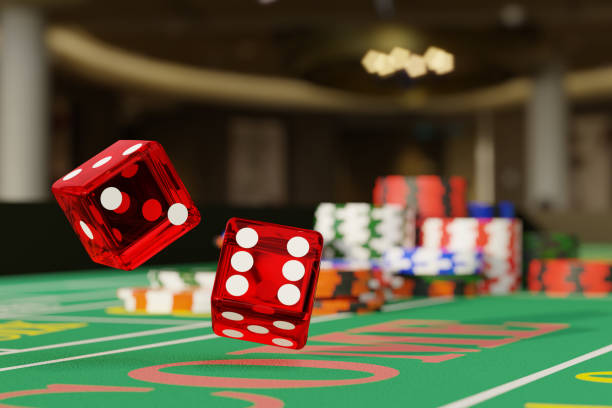
Furthermore, casinos often employ psychological tactics to encourage longer play. These can include complimentary drinks, loyalty programs, and the placement of games in a way that promotes continuous play. Understanding these attractions helps unravel why some individuals are drawn into the exhilarating world of gambling.
Cognitive Biases and Decision Making in Casinos
Players often fall victim to cognitive biases that influence their decision-making processes while gambling. For instance, the “gambler’s fallacy” is a common belief that past outcomes affect future results, leading players to assume that a losing streak must be followed by a win. This flawed logic can compel players to make riskier bets or continue playing in hopes of recouping losses.
Moreover, the “illusion of control” reflects how players often believe they can influence random outcomes, such as in games of chance. This misconception can drive players to engage more deeply, as they feel empowered by their perceived ability to impact the game, despite the inherent randomness involved.
The Role of Emotions in Gambling Behavior
Emotions play a significant role in how casino players make decisions. For many, the thrill of winning can create a euphoric high, leading to further bets and an increased likelihood of impulsive decisions. Conversely, losing can evoke feelings of frustration or desperation, motivating players to chase losses and fall deeper into a cycle of gambling.
Understanding the emotional rollercoaster that accompanies gambling is crucial for recognizing its impact on behavior. Players must navigate these emotions to make sound decisions, yet the strong affective response often clouds judgment and leads to irrational choices.
Social Influences and Group Dynamics in Gambling
The social environment of a casino significantly affects players’ decision-making processes. Group dynamics can amplify excitement, encourage riskier behaviors, and create a sense of belonging among players. Many people enjoy gambling as a social activity, where shared experiences can enhance the overall enjoyment and lead to spending more time and money.
Additionally, peer pressure can influence individual decisions, particularly in group settings. Observing others winning or celebrating can induce a competitive drive, pushing players to take larger risks. Understanding these social influences is essential for grasping the community aspect of gambling and its psychological implications.
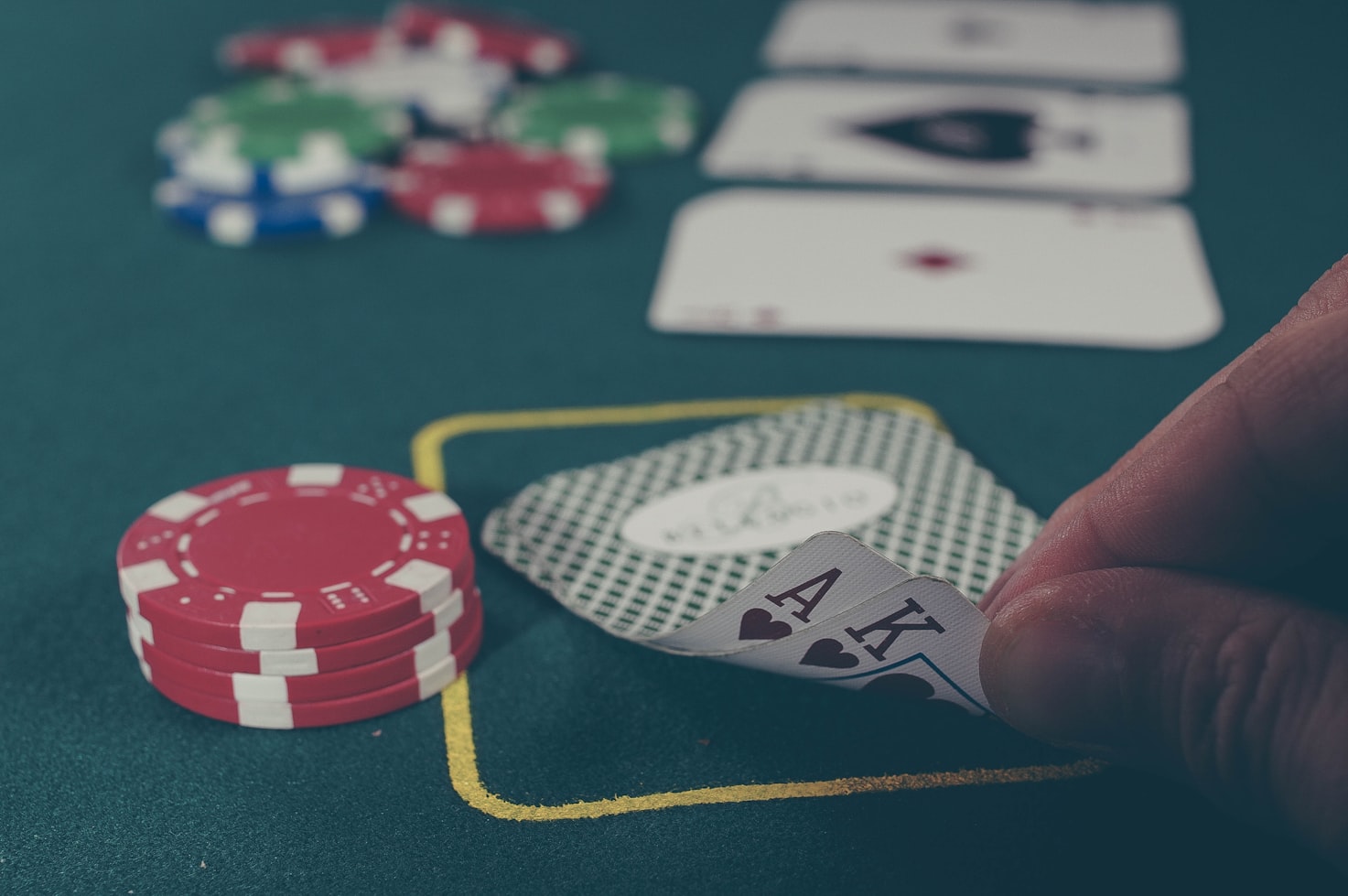
Engage with the Insights on Gaming Psychology
At Augusta Free Press, we strive to provide insightful and accurate information on a range of topics, including the fascinating psychology of casino players. Our articles aim to empower readers with a deeper understanding of the mechanisms that drive behavior in various contexts, including the gambling industry.
By exploring the factors that shape decision-making processes in casinos, we hope to foster informed discussions and enhance awareness about the influences that impact gambling behavior. Stay connected with us for more engaging content and analysis on current trends and topics.